Tracing Threads Between Wallet Tech and Table Decisions in Portable Blackjack Play
Frankie Bennett · Aug 14, 2026
Mobile Wallets Reshaping Choices at Portable Blackjack Tables
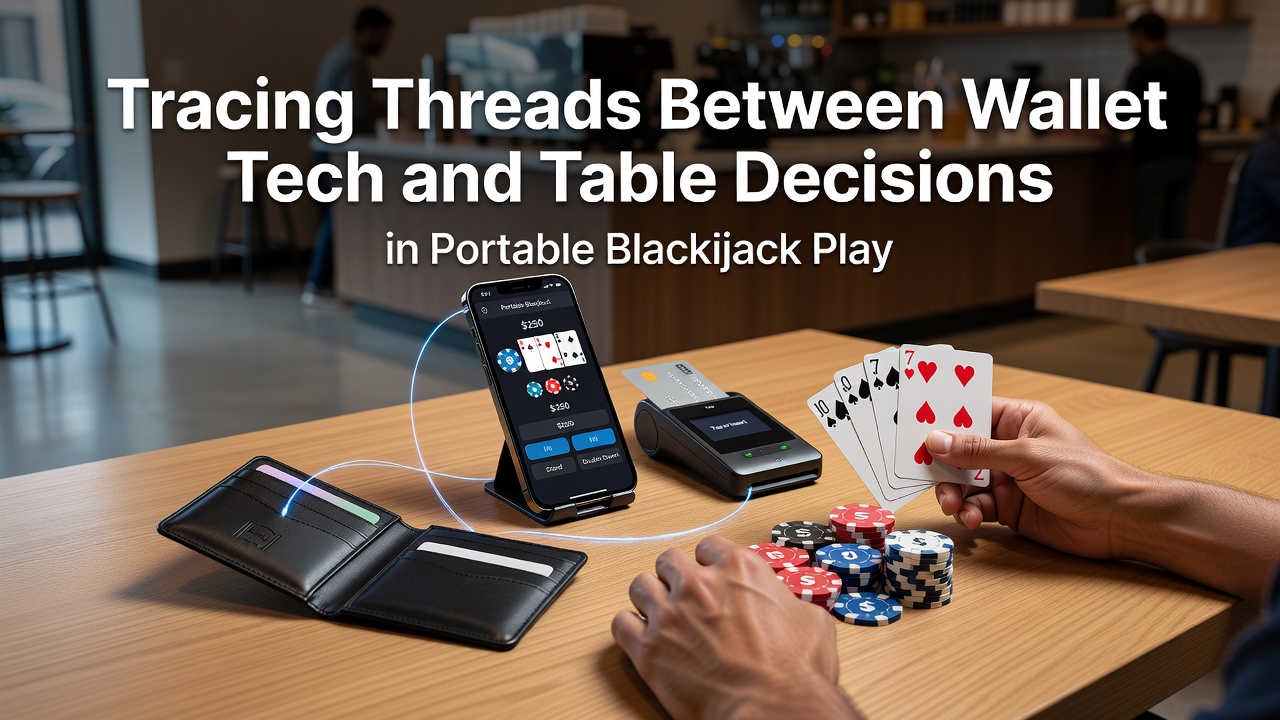
Digital wallet integrations have become central to how players manage funds during mobile blackjack sessions, with instant transfer options allowing real-time adjustments to betting patterns. Payment apps such as Apple Pay and Google Pay connect directly to gaming platforms, reducing the steps between deposit and first hand. Observers note that this seamlessness influences decisions like whether to double down or split pairs, because players can replenish balances without leaving the table interface. Data from payment processing reports indicates that transaction times under three seconds correlate with higher volumes of mid-round top-ups in portable environments. Research from the Australian Gambling Research Centre shows that users of integrated mobile wallets exhibit different session lengths compared to those relying on traditional card entries. The study tracked activity across multiple platforms and found quicker access to funds led to more frequent small bets rather than larger initial wagers. Those patterns emerge because the friction of manual entry disappears, letting strategy charts guide choices based on current bankroll visibility instead of pre-planned limits.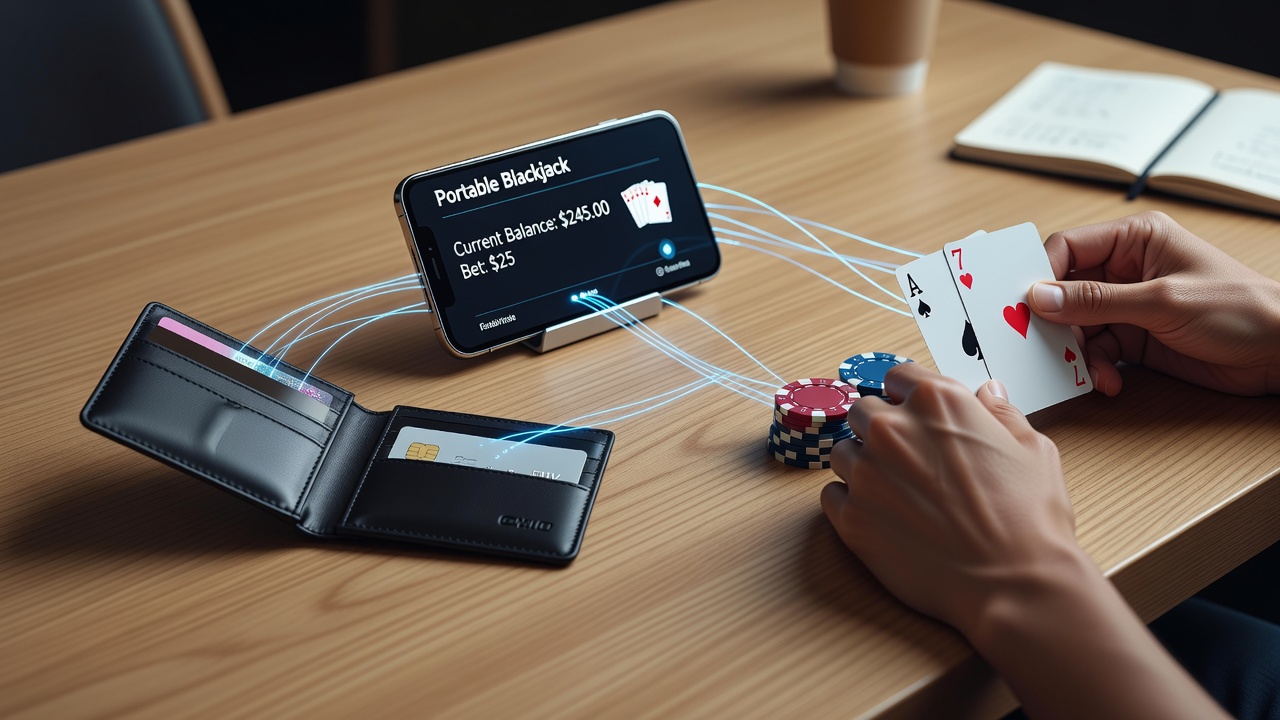
Digital wallet integrations have become central to how players manage funds during mobile blackjack sessions, with instant transfer options allowing real-time adjustments to betting patterns. Payment apps such as Apple Pay and Google Pay connect directly to gaming platforms, reducing the steps between deposit and first hand. Observers note that this seamlessness influences decisions like whether to double down or split pairs, because players can replenish balances without leaving the table interface. Data from payment processing reports indicates that transaction times under three seconds correlate with higher volumes of mid-round top-ups in portable environments. Research from the Australian Gambling Research Centre shows that users of integrated mobile wallets exhibit different session lengths compared to those relying on traditional card entries. The study tracked activity across multiple platforms and found quicker access to funds led to more frequent small bets rather than larger initial wagers. Those patterns emerge because the friction of manual entry disappears, letting strategy charts guide choices based on current bankroll visibility instead of pre-planned limits.Payment Speed and Decision Timing
Faster wallet confirmations alter the rhythm of portable blackjack. When a player spots a favorable count or dealer upcard, the ability to add funds immediately supports aggressive moves like insurance bets. Industry figures reveal that sessions using instant wallet links average 12 percent more hands per hour than those interrupted by slower verification. This speed creates a loop where table decisions feed back into wallet usage, as winning streaks prompt quick withdrawals while losses trigger selective deposits. Developers have embedded wallet APIs that display available balances alongside strategy prompts. One case involved a Nevada operator that updated its app in early 2026, resulting in measurable shifts toward composition-dependent plays. Players adjusted hit-or-stand choices more readily once they saw exact remaining funds without navigating away. Such features reduce cognitive load during rapid rounds, letting basic strategy remain consistent even as bankrolls fluctuate.Bankroll Visibility and Risk Adjustments
Wallet dashboards within blackjack apps provide live balance updates that shape conservative or bold table tactics. When a digital wallet shows precise available amounts after each hand, users tend to recalibrate bet sizes more often. Evidence from a University of Nevada Las Vegas gaming management analysis highlights that visible micro-balances encourage adherence to predetermined stop-loss points during extended mobile sessions. Portable devices compound this effect because notifications from linked wallets arrive between hands. A player might receive a low-balance alert and then choose to stand on a marginal total instead of risking a double. Data indicates these interruptions occur most during peak evening hours, when multiple wallet-linked accounts compete for attention across apps. The result is a tighter connection between financial monitoring tools and in-game choices that would otherwise rely solely on memory or separate spreadsheets.