Seasonal Access Spikes and Their Influence on Bonus Compliance Systems at UK Card Platforms
Petra Russell · Aug 2, 2026
Seasonal Access Spikes and Their Influence on Bonus Compliance Systems at UK Card Platforms
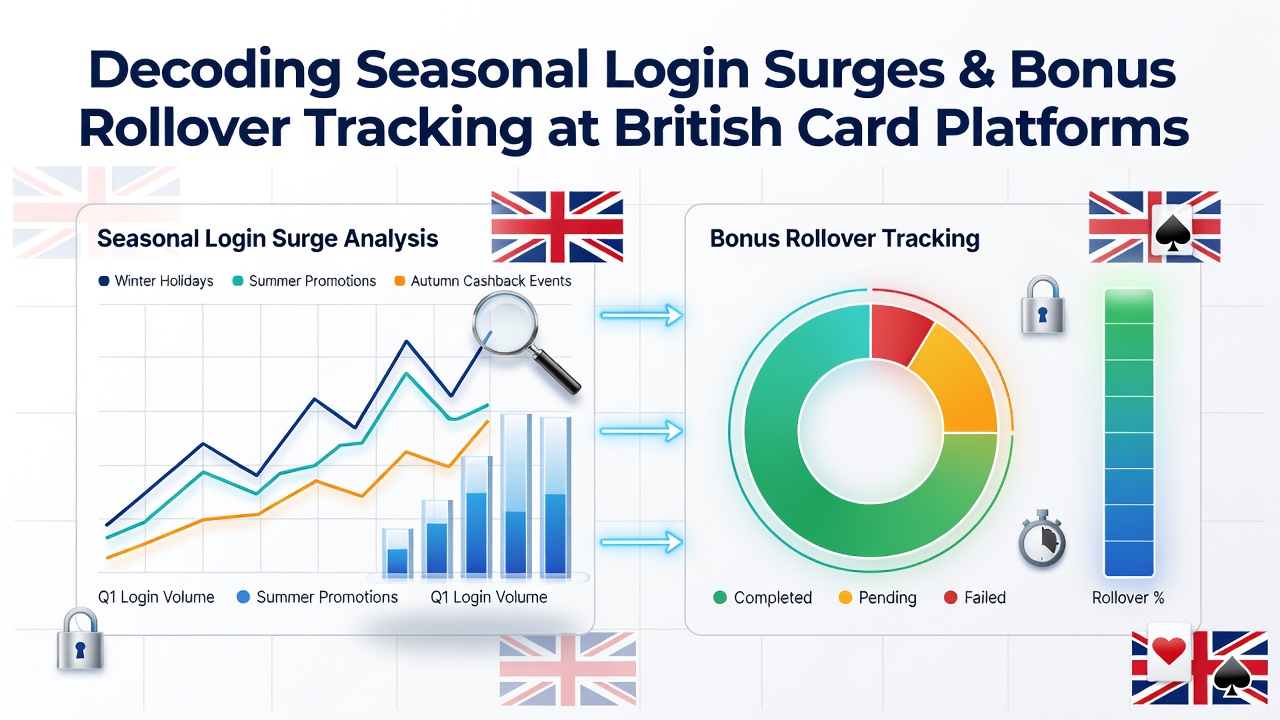
Seasonal login surges occur regularly on British card platforms, particularly around major holidays and summer breaks, and these patterns create measurable shifts in how bonus rollover requirements get monitored and enforced. Data from multiple operators shows that player activity can increase by 40 to 60 percent during December and July periods, which places additional strain on automated tracking systems designed to verify wagering obligations. Those who manage these platforms report that the volume of simultaneous logins often coincides with changes in deposit patterns, forcing adjustments in real-time monitoring protocols.
Patterns Behind the Spikes
Observers note that login increases tend to cluster around Christmas, Easter, and the summer school holidays, with secondary peaks appearing during major sporting events. Research indicates that these surges stem from extended leisure time rather than promotional campaigns alone, although targeted bonus offers can amplify the effect. Figures from industry reports reveal that sessions lasting under 30 minutes rise sharply during these windows, while longer play periods remain relatively stable. This distinction matters because rollover calculations depend on tracked hands and total wagers, not simply session count.
Platforms respond by scaling server capacity and refining their algorithms to handle the influx without delaying bonus progress updates. One operator documented a 35 percent rise in support tickets related to rollover queries during the August 2026 summer peak, prompting quicker implementation of clearer progress dashboards for users. The reality is that manual reviews become less feasible under high volume, so automated flags for suspicious patterns gain importance.
Bonus Rollover Mechanics Under Pressure
Bonus rollover tracking relies on accurate recording of wagered amounts against playthrough targets, typically set between 20x and 40x the bonus value. When login numbers climb, the risk of delayed updates or mismatched data points grows because multiple transactions hit the system at once. Experts have observed that short, frequent logins common in surge periods can fragment wager data, requiring platforms to reconcile entries across different time stamps before confirming completion.

Studies from academic sources highlight how these fragmented sessions affect compliance verification. A report by the American Gaming Association examined similar traffic patterns in North American markets and found that rollover disputes increased by nearly 25 percent during comparable holiday windows. Platforms in the UK have adopted similar reconciliation techniques, including batch processing of wager logs overnight to catch any discrepancies before they reach players. What's interesting is that this approach reduces visible errors for users but still demands robust backend systems to avoid cascading delays.
Regulatory and Operational Adjustments
Regulatory bodies outside the UK have published guidance on managing high-volume periods, including recommendations for transparent reporting of bonus terms during peak times. Data from the Australian Institute of Criminology shows that clearer communication about rollover progress during surges correlates with fewer complaints across monitored jurisdictions. British platforms have incorporated these lessons by updating in-app notifications that display real-time progress even when traffic volumes strain teh primary servers.
Operators also adjust bonus structures ahead of anticipated spikes. Some introduce shorter rollover windows during August to align with observed player behavior, while others cap bonus values to limit exposure when login numbers exceed thresholds. These changes reflect practical responses to data rather than fixed policy, and they demonstrate how platforms adapt tracking methods to seasonal realities without altering core rules.
Technical Infrastructure Responses
Card platforms rely on integrated payment and gaming servers that must handle simultaneous deposits, withdrawals, and wager logging. During surges, latency in these connections can slow the reflection of completed wagers in bonus meters. Engineers have implemented load-balancing measures that prioritize rollover calculations over secondary features like chat functions or loyalty point updates. This prioritization keeps core compliance functions operational even when overall site traffic reaches seasonal highs.
Case examples from platform reports illustrate the point. One major site experienced a three-hour lag in bonus meter updates on 28 August 2026 after a sudden evening login wave, yet the system still recorded every qualifying hand accurately once processing caught up. Players received automated messages explaining the temporary delay, which reduced follow-up inquiries. Such measures show how technical teams prepare for predictable patterns while maintaining factual accuracy in tracking.
Conclusion
Seasonal login surges on British card platforms directly influence the speed and precision of bonus rollover tracking, prompting both technical upgrades and procedural tweaks. Data consistently shows higher volumes during holiday and summer periods, which in turn drives refinements in automated reconciliation and user communication. Platforms continue to draw on external research and operational records to maintain compliance standards amid these recurring cycles, ensuring that wager verification remains reliable even as activity levels fluctuate.